
With Halloween upon us and store shelves stocked with palm oil-filled candy, it’s time for palm oil update. In last year’s palm oil blog post, I summarized the state of the palm oil industry:
- It’s not inherently BAD!
- It’s used globally but Indonesia and Malaysia produce 85% of all palm oil.
- It has a very high yield compared to other vegetable oils.
- It employs millions of people in Indonesia and Malaysia.
- The way it’s produced is bad!
- It can only grow in humid, tropical regions.
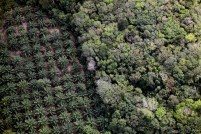
- Land is rapidly being cleared for palm oil plantations, often by cutting down primary tropical forests.
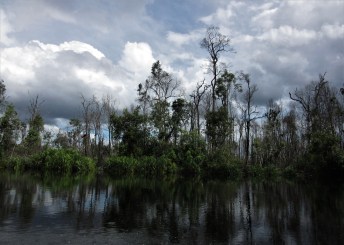
- Peatland forests like Tuanan are particularly attractive for potential palm oil farmers since few other cash crops do well in those areas.
- There are ways to help!
- The Roundtable for Sustainable Palm Oil (RSPO) is an organization that accredits companies who follow strict environmental palm oil guidelines.
- Western countries consume tons of palm oil and can invoke environmental change by consciously choosing ‘sustainable palm oil’ products. (Download the app!)
BUT there have been some reviews, assessments and developments in the palm oil sector:
-
Many people have been monitoring the effectiveness of the RSPO system and some believe it’s not working.
- The Guardian reports: “…Greenpeace exposed massive rainforest destruction in Papua allegedly caused by palm oil companies that are subsidiaries of a current RSPO member. Buying from them were big multinationals including Unilever, Nestlé, Pepsico and Mars.“
-
Amazingly, the Indonesian Government just declared a 3-year moratorium on palm oil plantations.
- Read about the moratorium and a discussion of it’s efficacy here.
-
While this is a short-term improvement for Indonesia, the global demand for palm oil has not decreased and will push palm oil development into other delicate tropical ecosystems around the world.
- NPR told the story of a palm oil grower in India. While India doesn’t have to worry as much about forest loss, the country is suffering from a ‘water crisis.’ Palm oil is a water-intensive crop (which is why it does so well in the rainiest areas of SE Asia) and will worsen India’s water shortage.
It’s also interesting to note that although palm oil today is largely produced in Southeast Asia, it was first cultivated in Western Africa. There is evidence of oil palm products being traded throughout human history. It was in the early 1800’s that colonial powers attempted to establish commercial palm oil plantations in areas like Nigeria. Plantations moved to SE Asia almost a century later, in the early 1900’s.
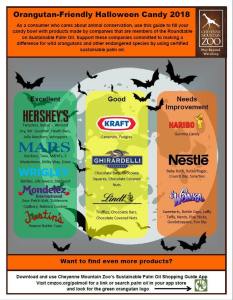
The Takeaway:
Don’t stop buying certified PO: Even though you hear disputes about the efficacy of ‘sustainable’ palm oil, there is something to be said for holding palm oil producers accountable. If there is clear demand from the West, governments, shareholders, growers, etc. will all be operating under more pressure to be environmentally safe than if consumers gave up on the accreditation system altogether.